Buildings are becoming power generators with integrated renewable energy systems. Solar panels, wind turbines, and geothermal heating are standard features in modern construction. These systems reduce operating costs and carbon footprints.
Designers must consider energy efficiency from the ground up. Smart building technologies optimize energy use, making renewable integration both practical and profitable for property owners.
Solar Integration
Roof-mounted panels provide clean electricity. Building-integrated photovoltaics (BIPV) serve as both energy generators and architectural elements. Energy storage systems ensure power availability 24/7.
Wind and Geothermal
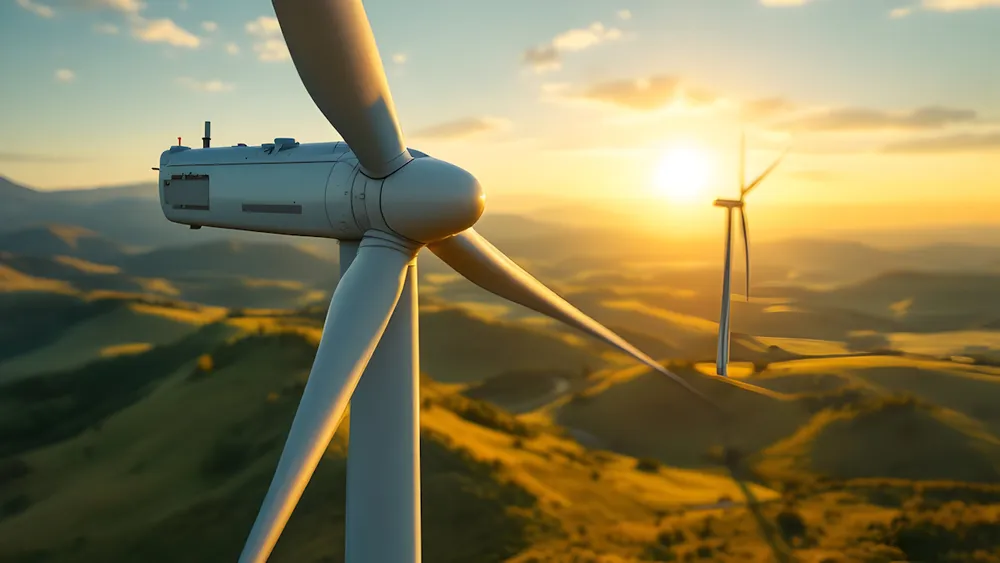
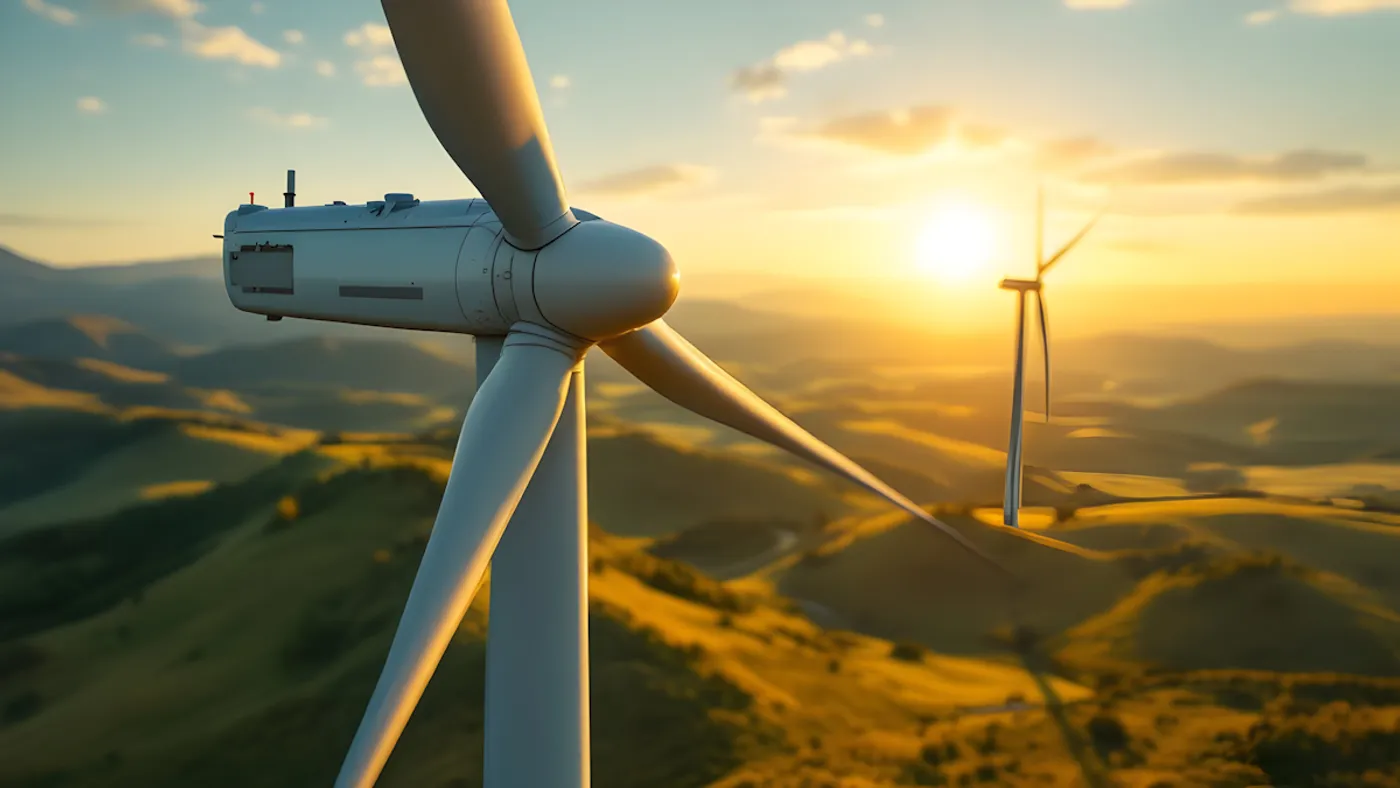
Small wind turbines suit certain building types. Geothermal systems provide heating and cooling with high efficiency. Hybrid systems combine multiple renewable sources for optimal performance.
Smart Controls
Automated systems adjust energy use based on occupancy and weather. Demand response capabilities reduce peak loads. Data analytics optimize system performance over time.
Economic Benefits
Lower utility bills improve property values. Tax incentives and rebates offset installation costs. Green certifications increase marketability and rental rates.
Design Considerations
Early collaboration between architects and engineers is essential. System integration affects building aesthetics and functionality. Future-proofing ensures adaptability to new technologies.
Related posts
See all posts